Initializing Wisdom...
Gallery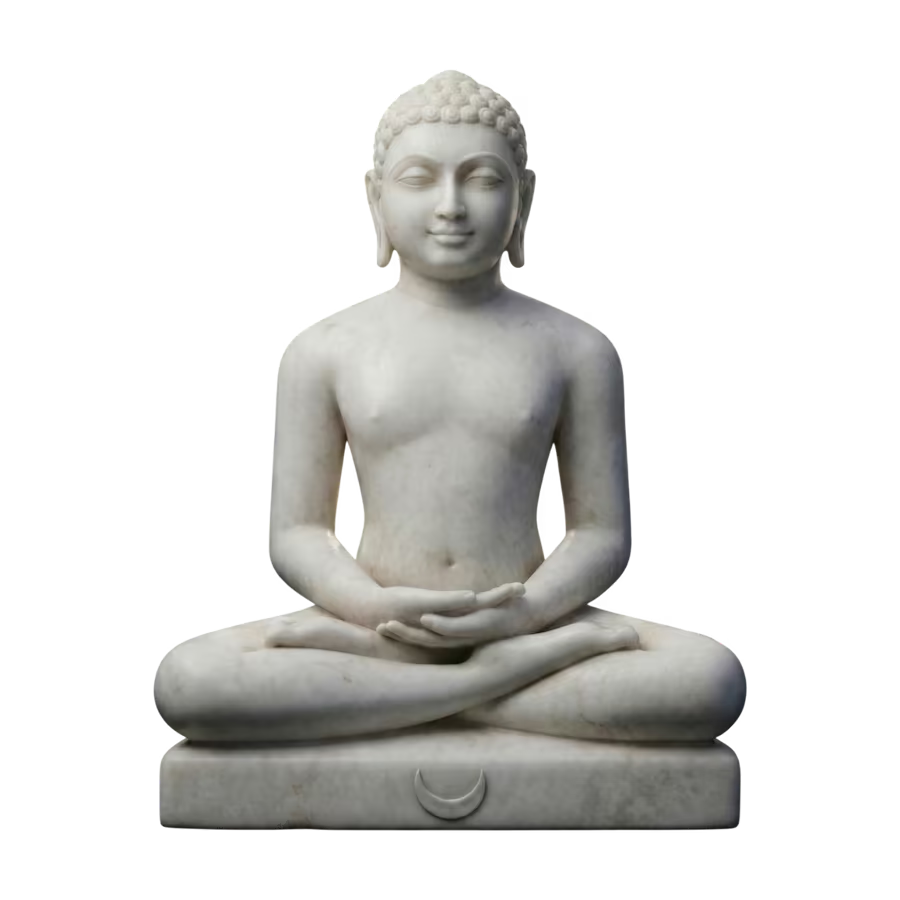

Witness the
Moon
The 8th Arhat
Chandraprabha
Father
Mahasena Raja
Mother
Lakshmana Devi
Dynasty
Ikshvaku (Kshatriya)
Gotra
Kashyap
Symbol
Moon
Kevala Tree
Nag Tree
Birthplace
Chandrapuri
Lifespan
10 Lakh Purva
Height
150 Dhanush
Nirvana
Sammed Shikhar Ji
Yaksha
Vijaya Yaksha
Yakshini
Jwalamalini Devi
Scroll the Life
Step 01
Garbha
TimeChaitra Krishna Panchami
PlaceChandrapuri
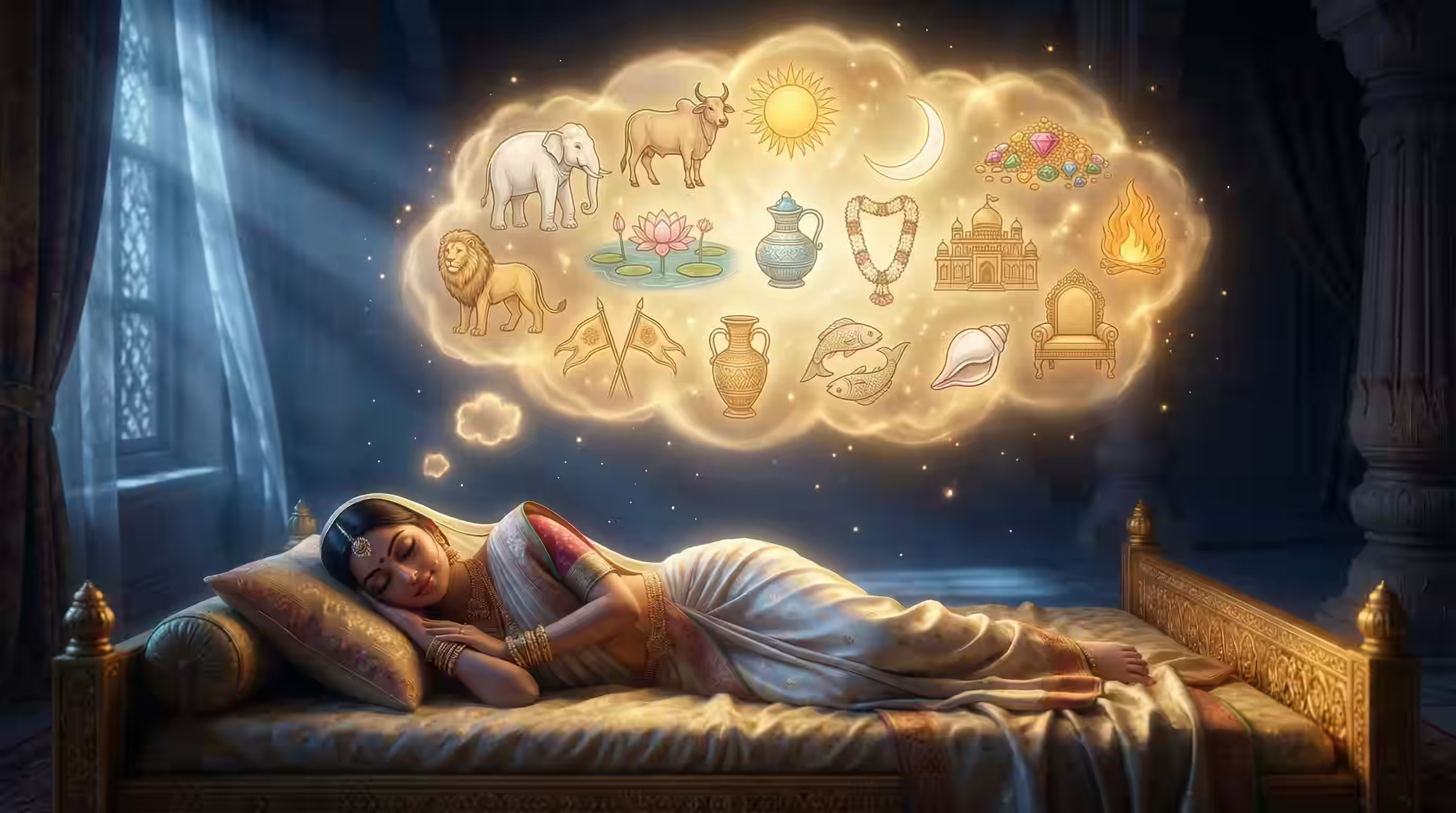
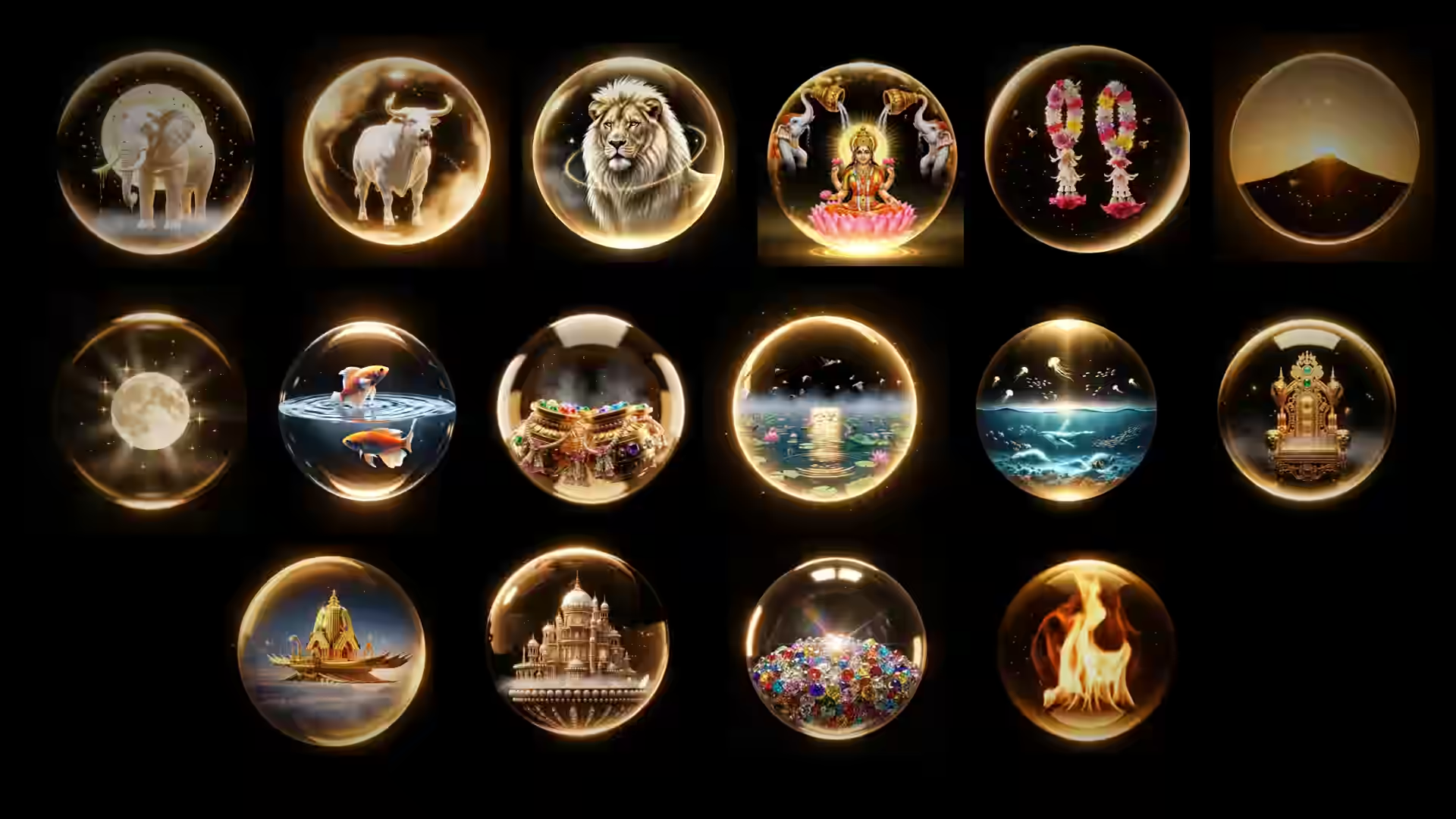
Key DetailDreams: Airavat Elephant, Bull, Lion, Goddess Lakshmi, Two Garlands, Moon, Sun, Pair of Fish, Two Pitchers, Lake, Ocean, Throne, Celestial Plane, Nagendra Bhavan, Heap of Jewels, Smokeless Fire.
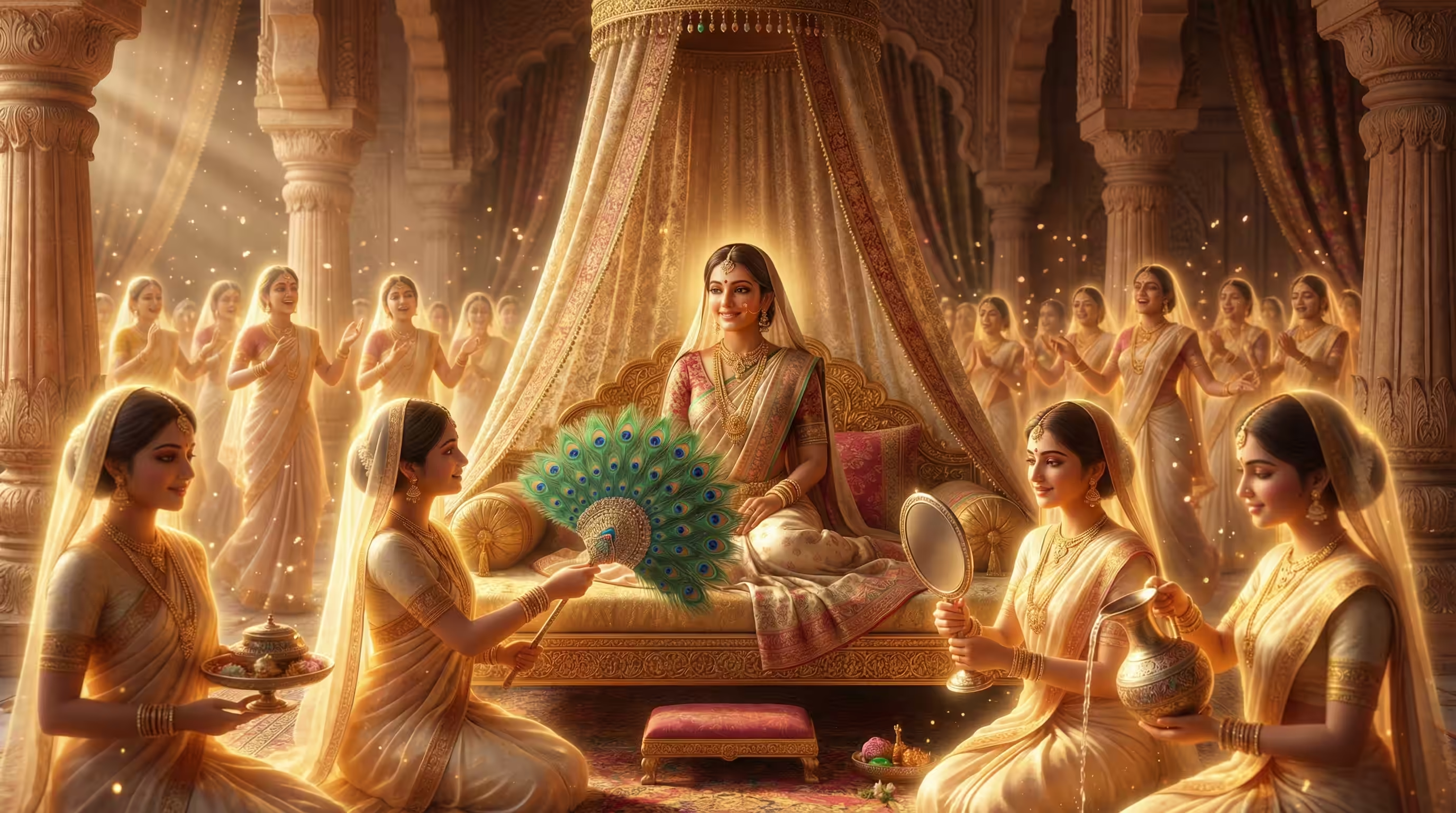
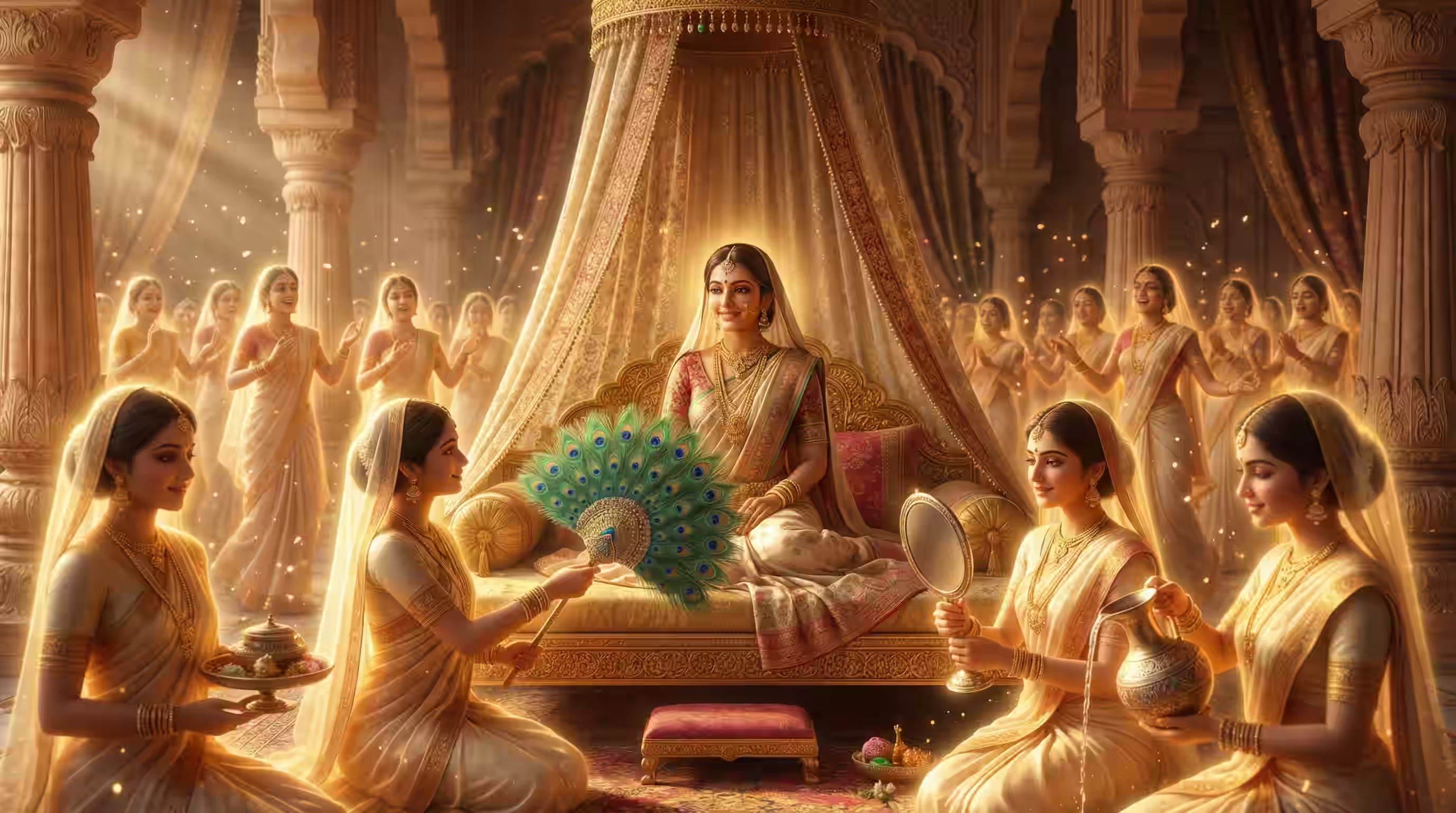
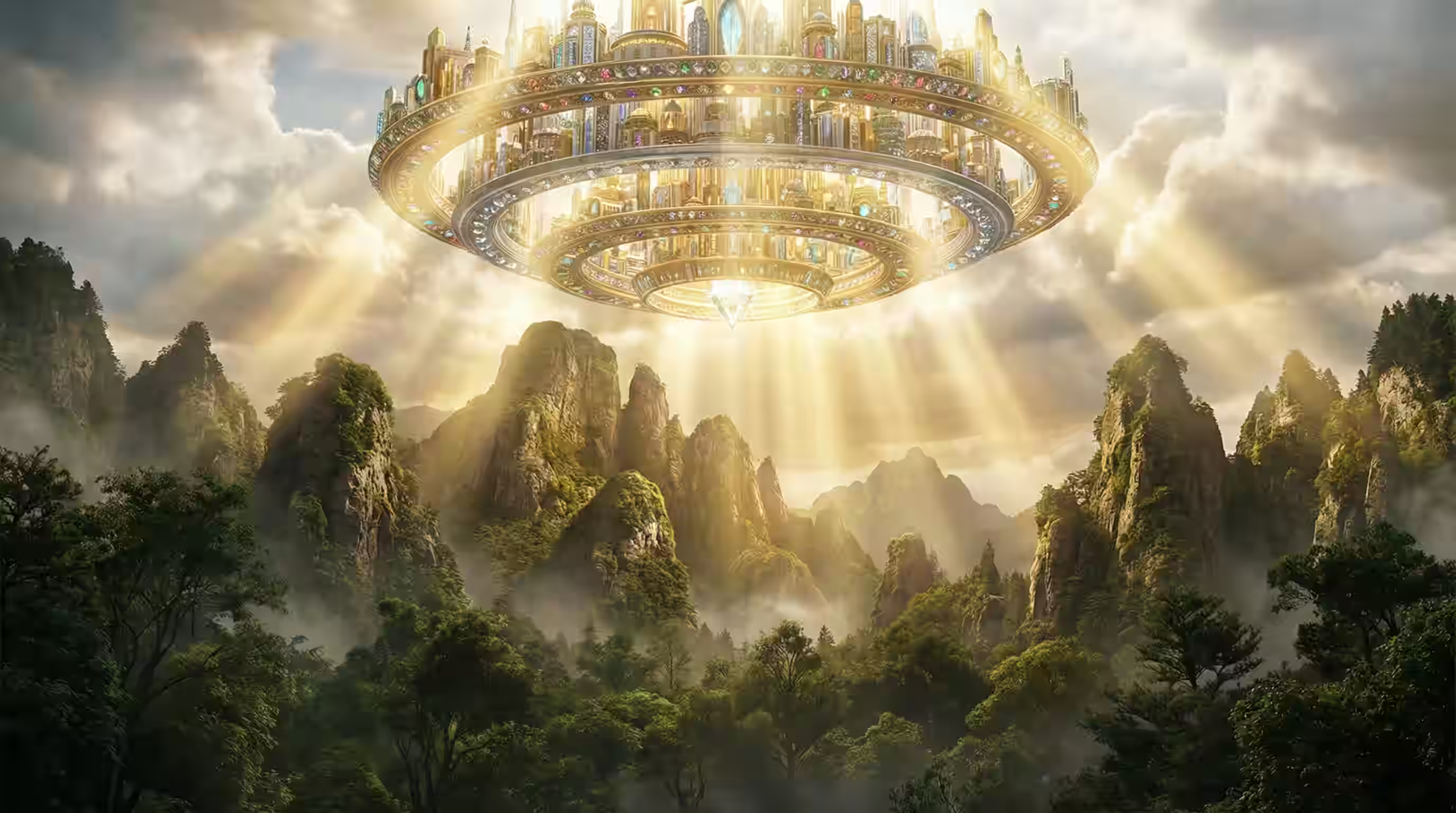
When the soul of the Tirthankar, residing in the Vaijayant Vimaan, had only six months of lifespan remaining, millions of jewels began raining daily in the city of Chandrapuri. Indra sent the Dikkumari Devis to serve Mata Lakshmana, and they flawlessly purified her body, making it a perfectly sacred space to host the supreme soul.
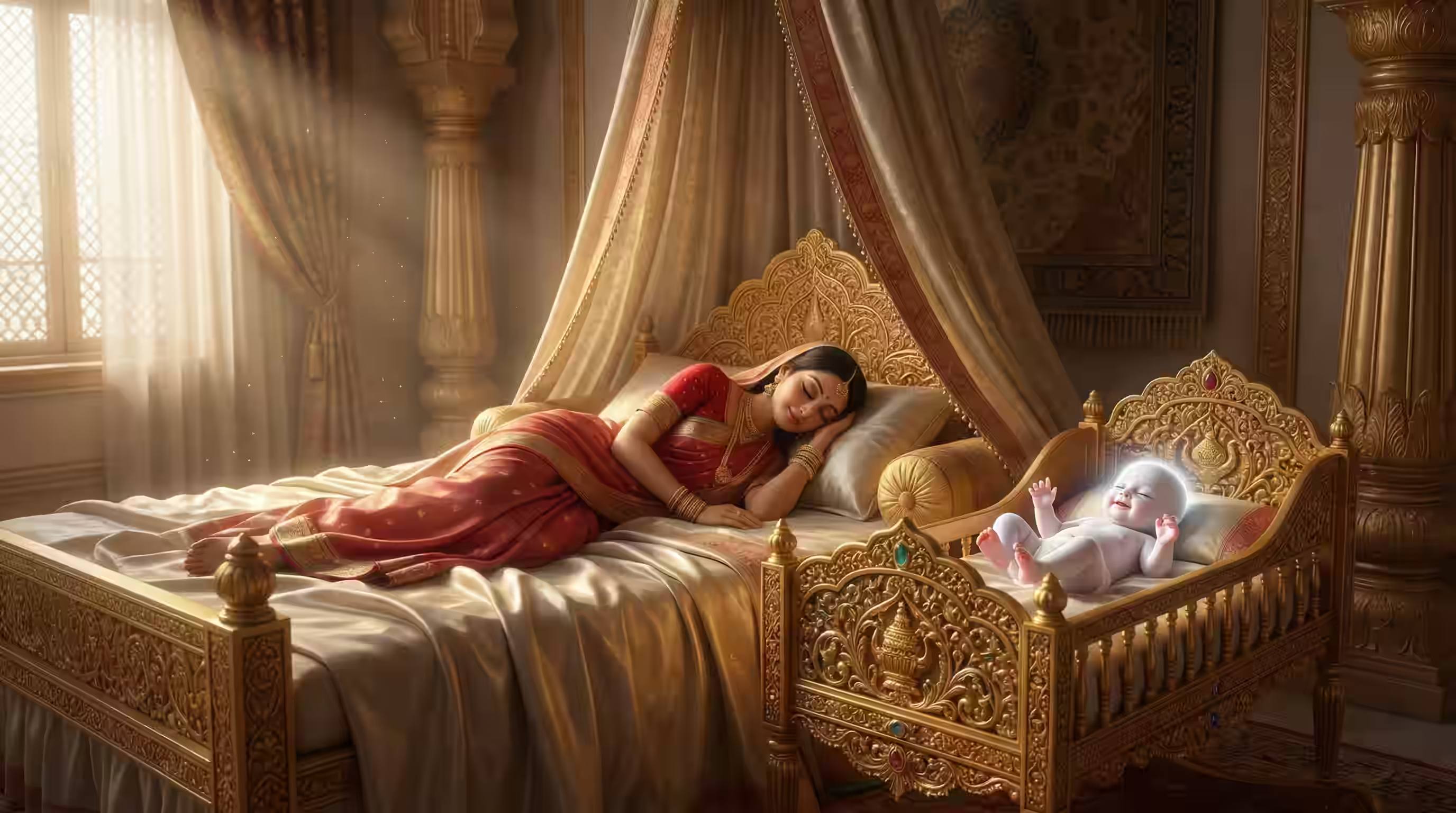
Six months passed gracefully amidst these miraculous events of celestial descents and jewel showers. On the night of Chaitra Krishna Panchami, during the last watch of the night while sleeping peacefully, Queen Lakshmana saw sixteen highly auspicious dreams indicating the arrival of the Tirthankar.
Ah! The supreme soul of the Tirthankar had entered her womb. Beholding these sixteen grand divine dreams—ranging from the Airavat elephant to the smokeless fire—the Queen was thrilled and filled with immense joy.
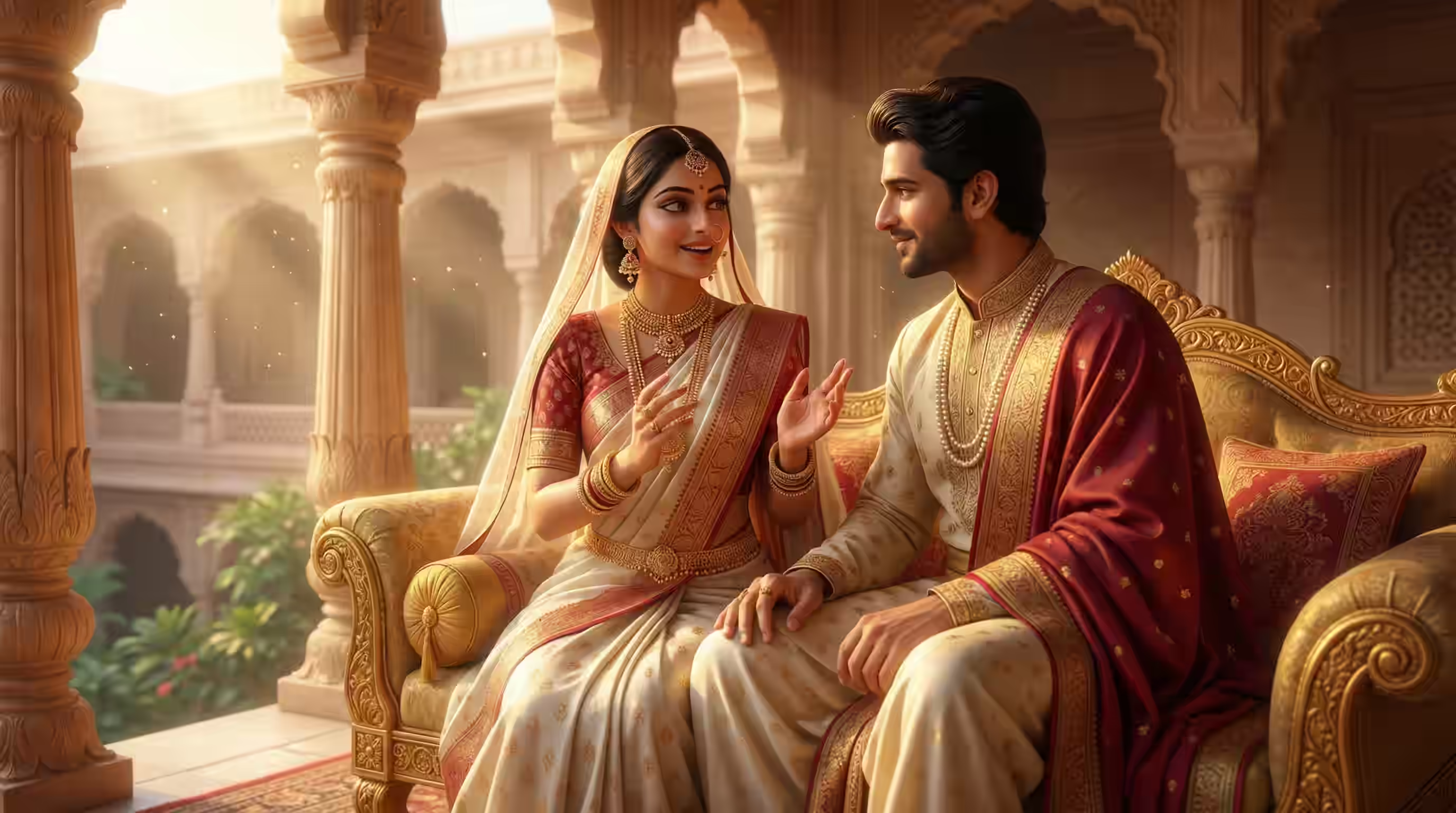
In the morning, the Queen narrated these auspicious dreams to Maharaja Mahasena. Explaining their profound meaning, the Maharaja joyfully declared, 'O Devi! The eighth Tirthankar has descended into your womb. It is our supreme fortune that a world-revered soul will be born to us.'
On this grand occasion, Indra descended to honor and praise the parents of the Tirthankar. Knowing that the Lord would be born in their own city, the citizens of Chandrapuri began celebrating with great joy, singing the glory of the Tirthankar everywhere.
Step 02
Janma
TimePaush Krishna Ekadashi
PlaceChandrapuri / Mount Meru
Key DetailLifespan: 10 Lakh Purva | Height: 150 Dhanush | Complexion: White | Kumar Kaal: 2.5 Lakh Purva | Rajya Kaal: 5 Lakh Purva
Nine months later, at midnight on Paush Krishna Ekadashi, the eighth Tirthankar of this era was born. The dark night was suddenly illuminated by a divine light, and a massive wave of joy swept through the city, as this monumental birth occurred 900 crore Sagaropam after the nirvana of Bhagwan Suparshvanath.
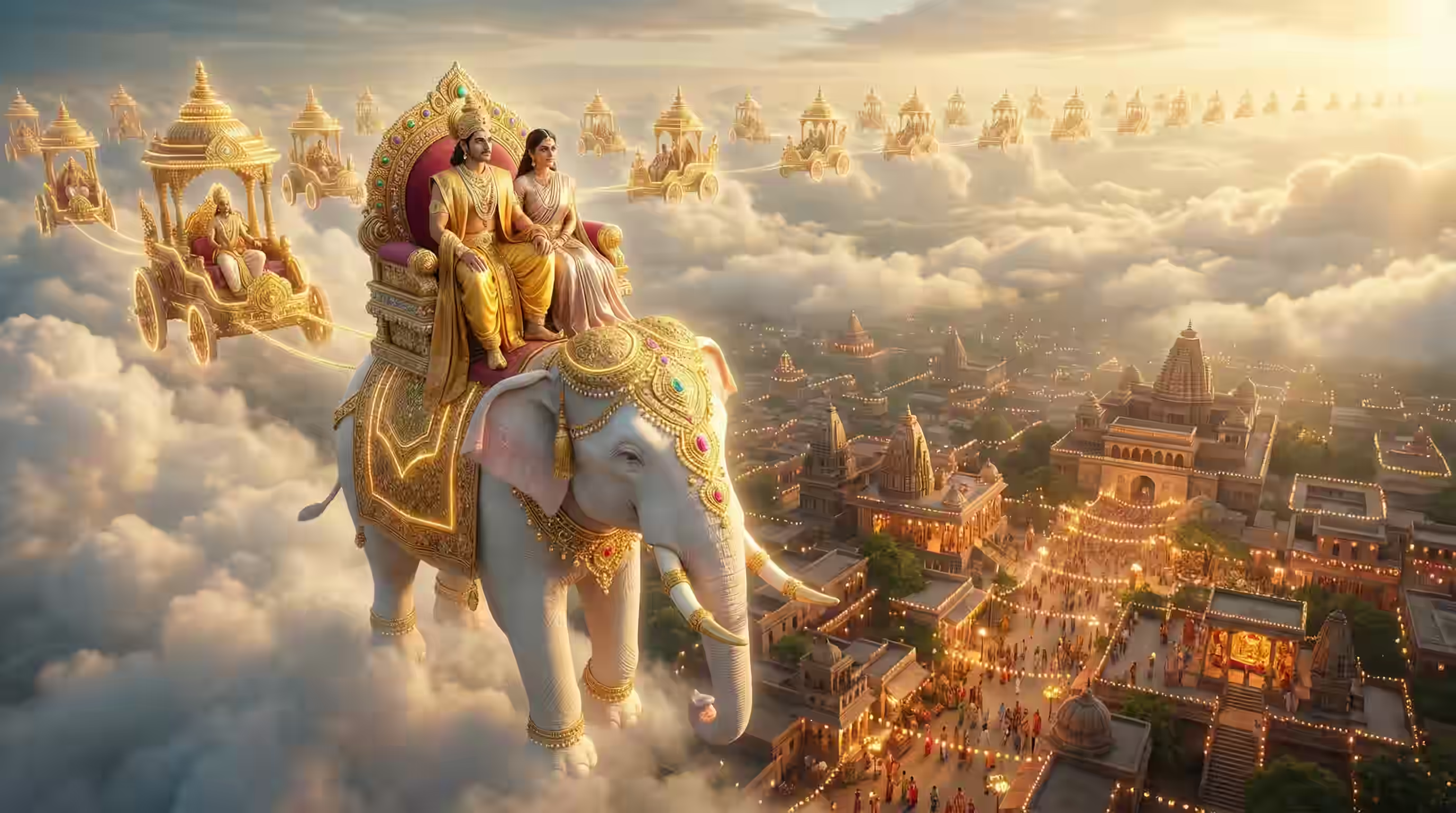
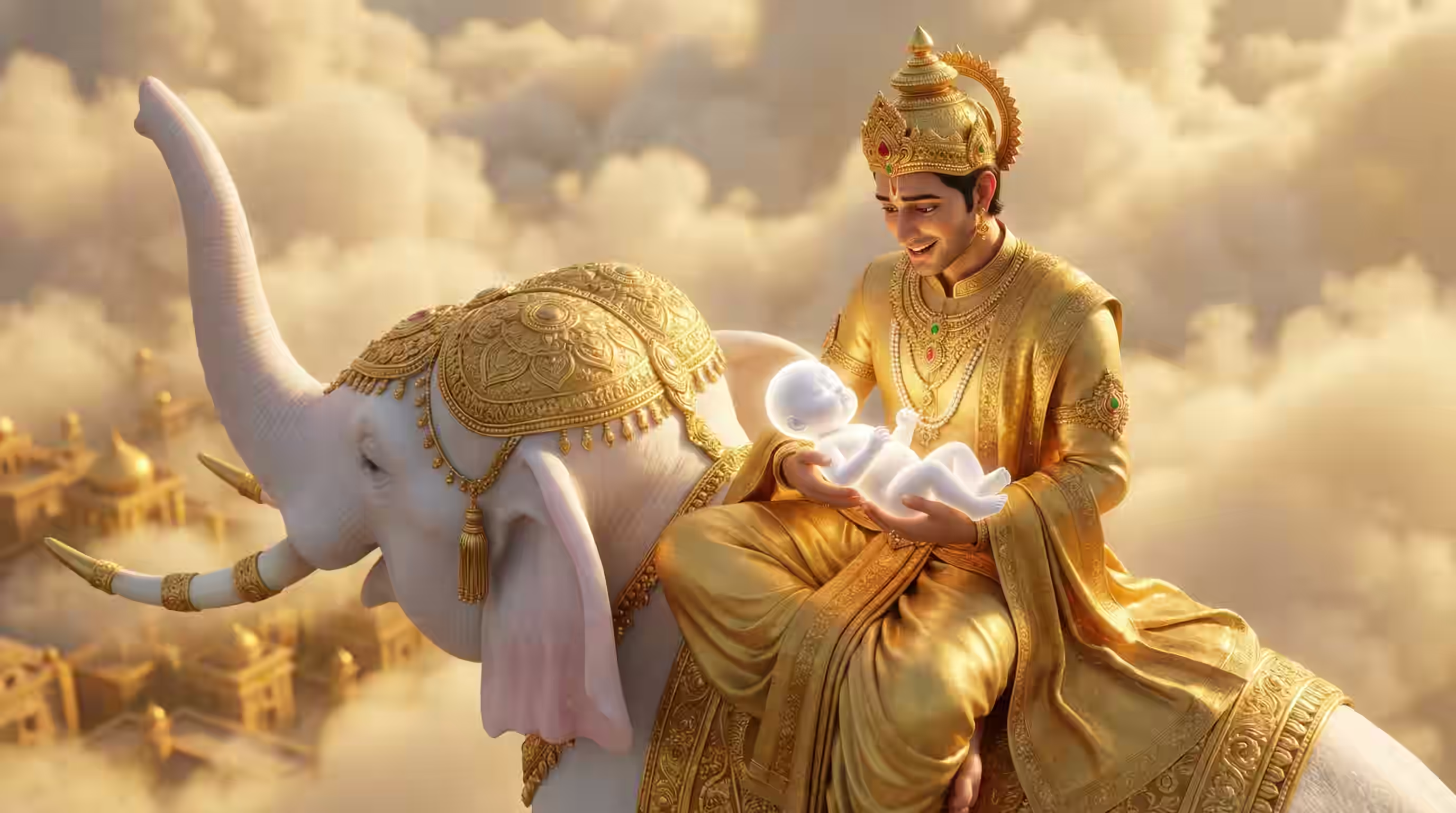
Upon sensing the birth, Indra's celestial throne trembled. He quickly arrived in Chandrapuri with his divine family. Indrani respectfully brought the newborn Tirthankar to him, and taking the infant in his lap, Indra mounted the Airavat elephant to depart towards Mount Meru for the Janmabhishek.
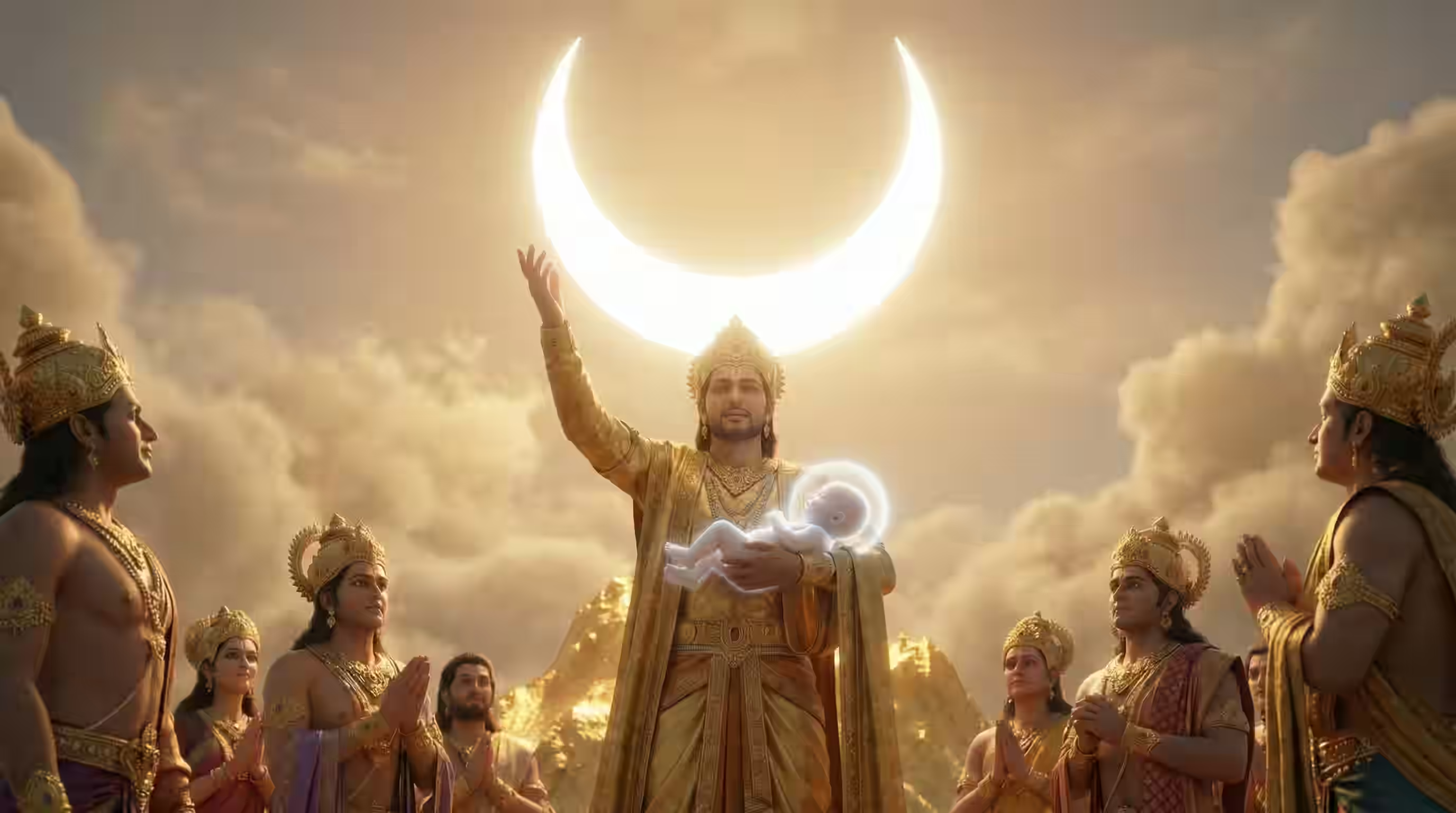
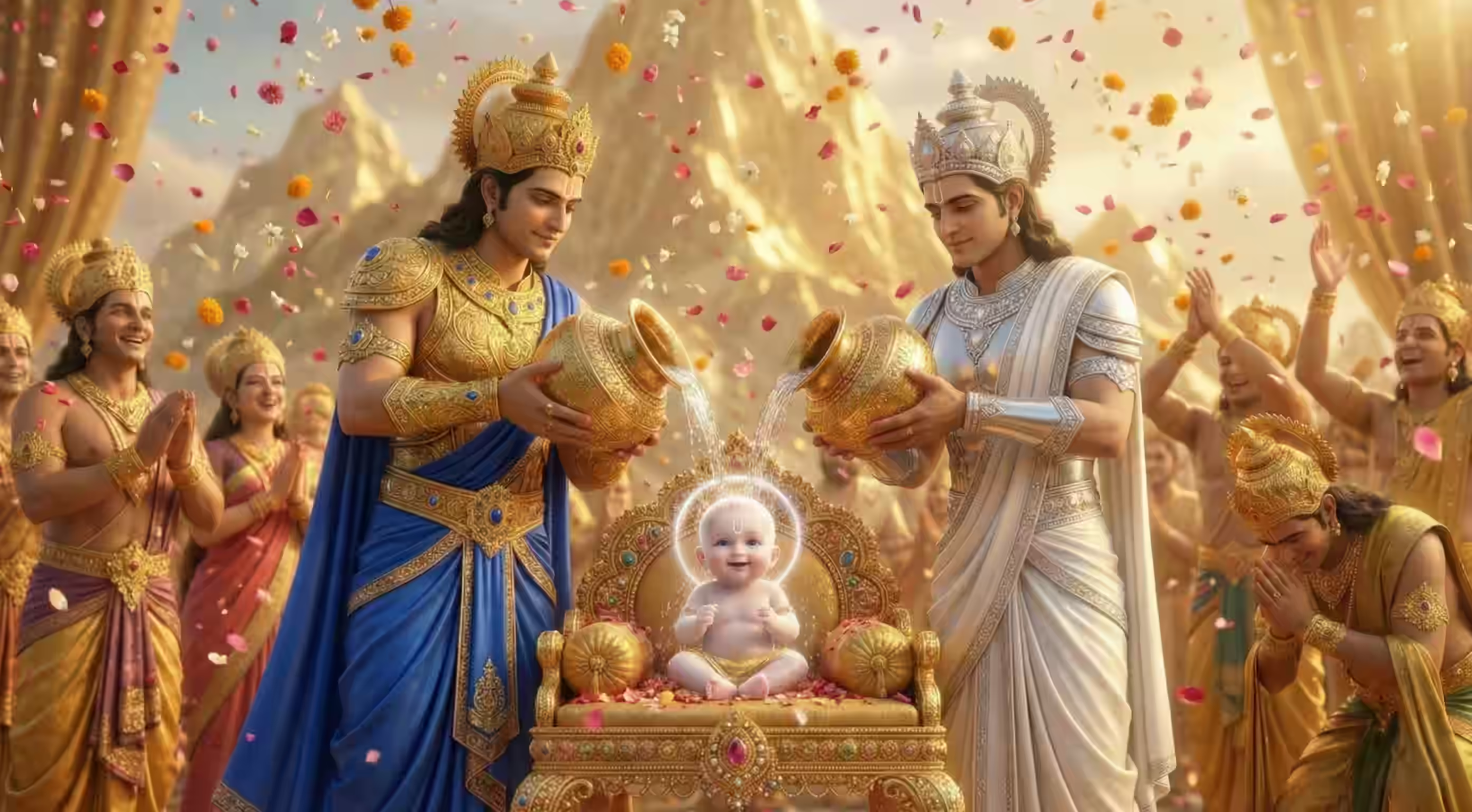
At Mount Meru, Indra declared the Lord's symbol as the half-moon (Ardh-Chandra). Countless Devas formed a continuous line all the way to the Kshir Sagar (Ocean of Milk) to pass golden urns hand-to-hand. With immense enthusiasm, Saudharma and Ishan Indra bathed the child Tirthankar using these 1008 celestial urns.
Following the sacred Abhishek, Indrani adorned the Lord with divine ornaments. Overwhelmed with ecstatic joy, Indra performed the magnificent Tandava dance on Mount Meru, sang hymns of praise, and formally named the radiant infant 'Chandraprabhu'.
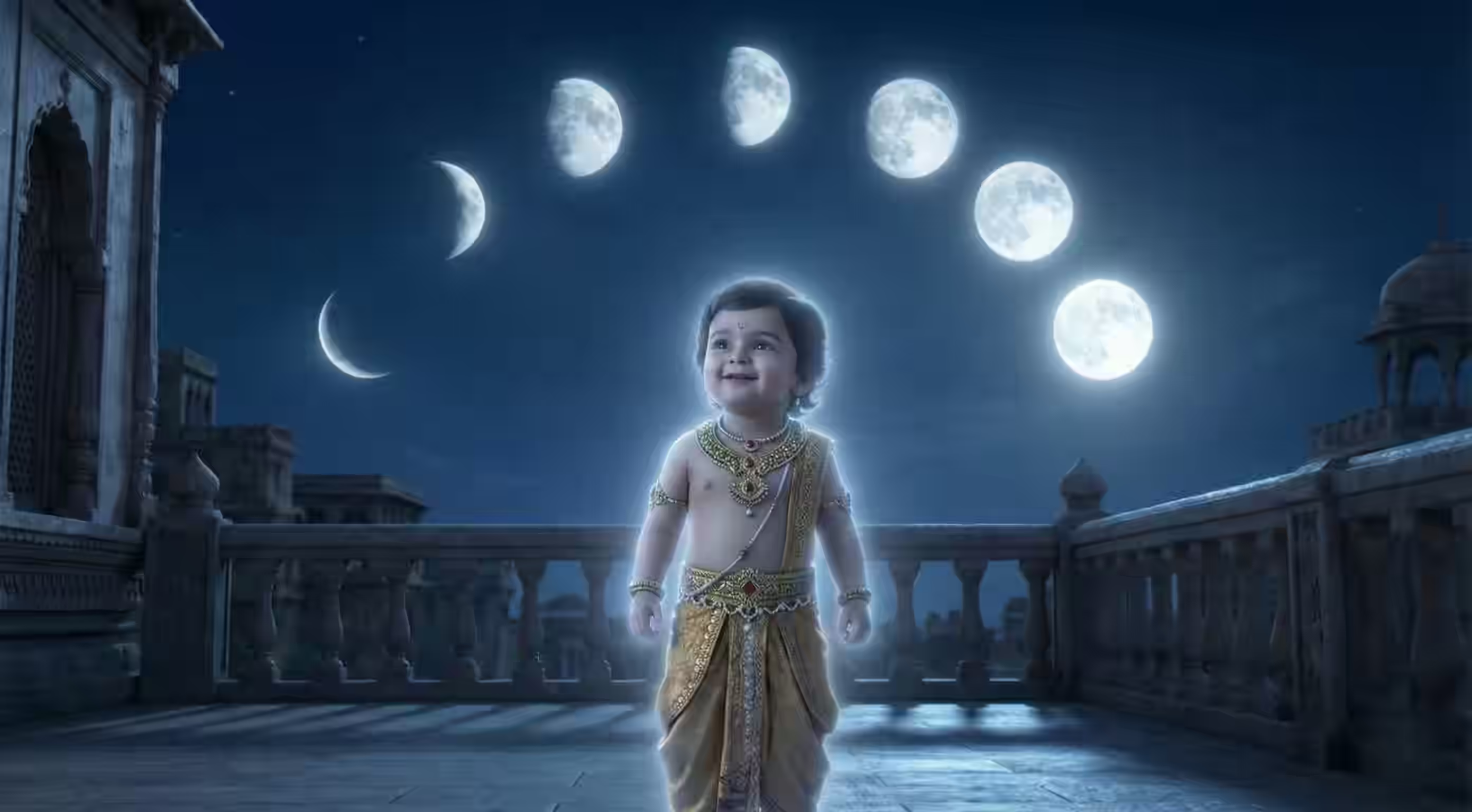
The child Tirthankar Chandraprabhu grew day by day, his radiance increasing like the moon of the bright fortnight. Destined for a total lifespan of 10 Lakh Purva, a towering height of 150 Dhanush, and possessing a pure white complexion, his childhood was joyfully spent playing with celestial beings who took various delightful forms.
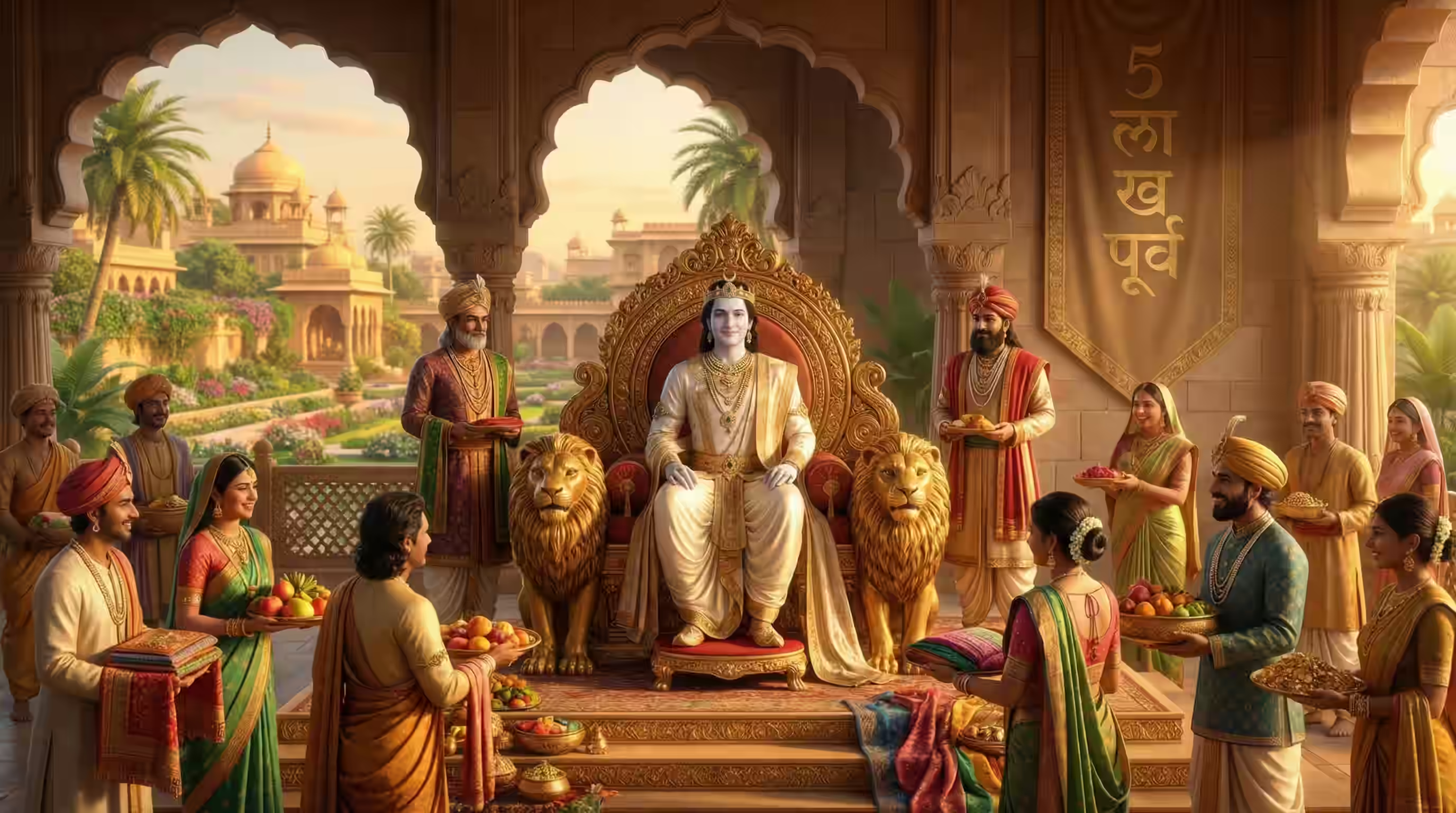
At the tender age of 8, he naturally accepted the Deshvrat (partial vows) and ascended to the fifth Gunasthan. His Kumar Kaal (youthful period) lasted for 2.5 lakh Purva. After his grand coronation, he ruled with supreme happiness and justice for 5 lakh Purva, bringing the total elapsed time of his life to 7.5 lakh Purva.
Step 03
Diksha
TimePaush Krishna Ekadashi
PlaceSarvarth-Sakal-Ritu Vana
Key DetailFirst Aahar: King Somadatta, Nalinpur. Palanquin: Manohara (also known as Vimala).
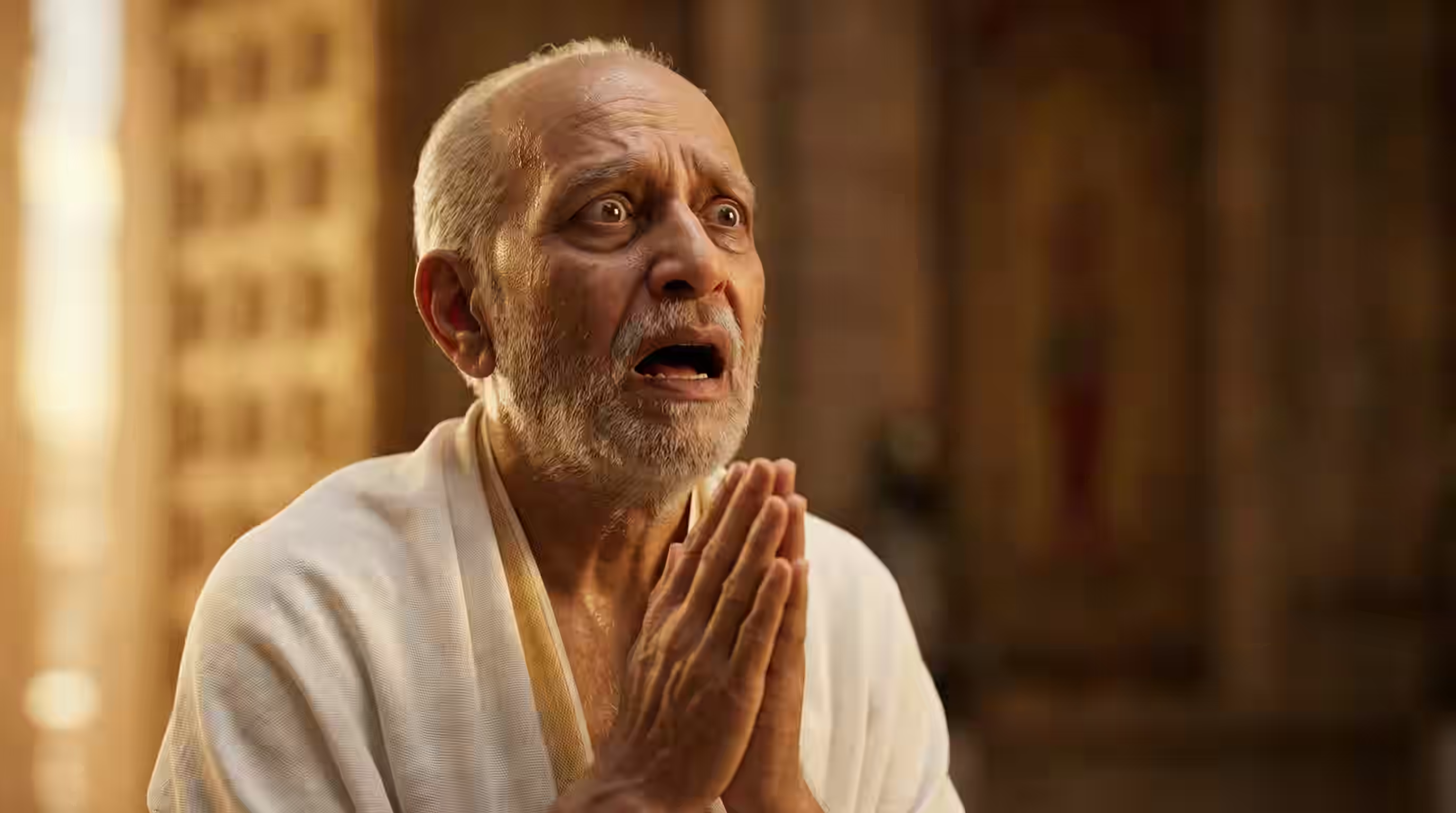
While Maharaja Chandraprabh was happily ruling, a grand celebration was organized for his birthday. Amidst the joyous festivities, an extremely old and terrified man, leaning on a wooden staff, suddenly entered the royal court. He approached the King, begging to be saved from an impending death predicted by a fortune teller.
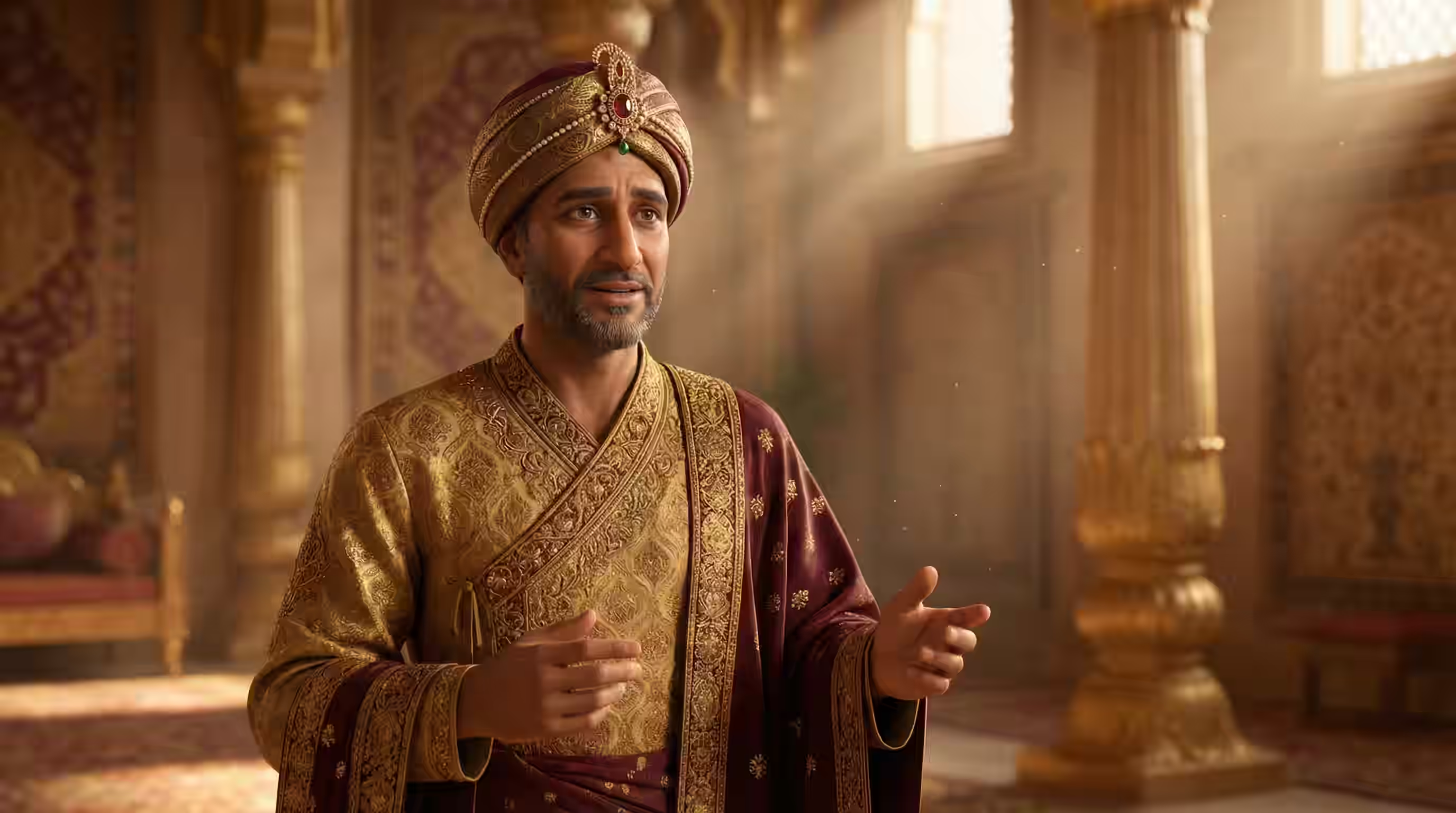
The old man pleaded, 'You are the conqueror of death, please protect me!'. Hearing this, a wise minister calmly replied, 'Have patience, brother. Death is inevitable for all living beings when their lifespan ends. Neither Indras nor kings can save you. Only by following the path of the Jinas can one conquer death and attain the immortal state'.
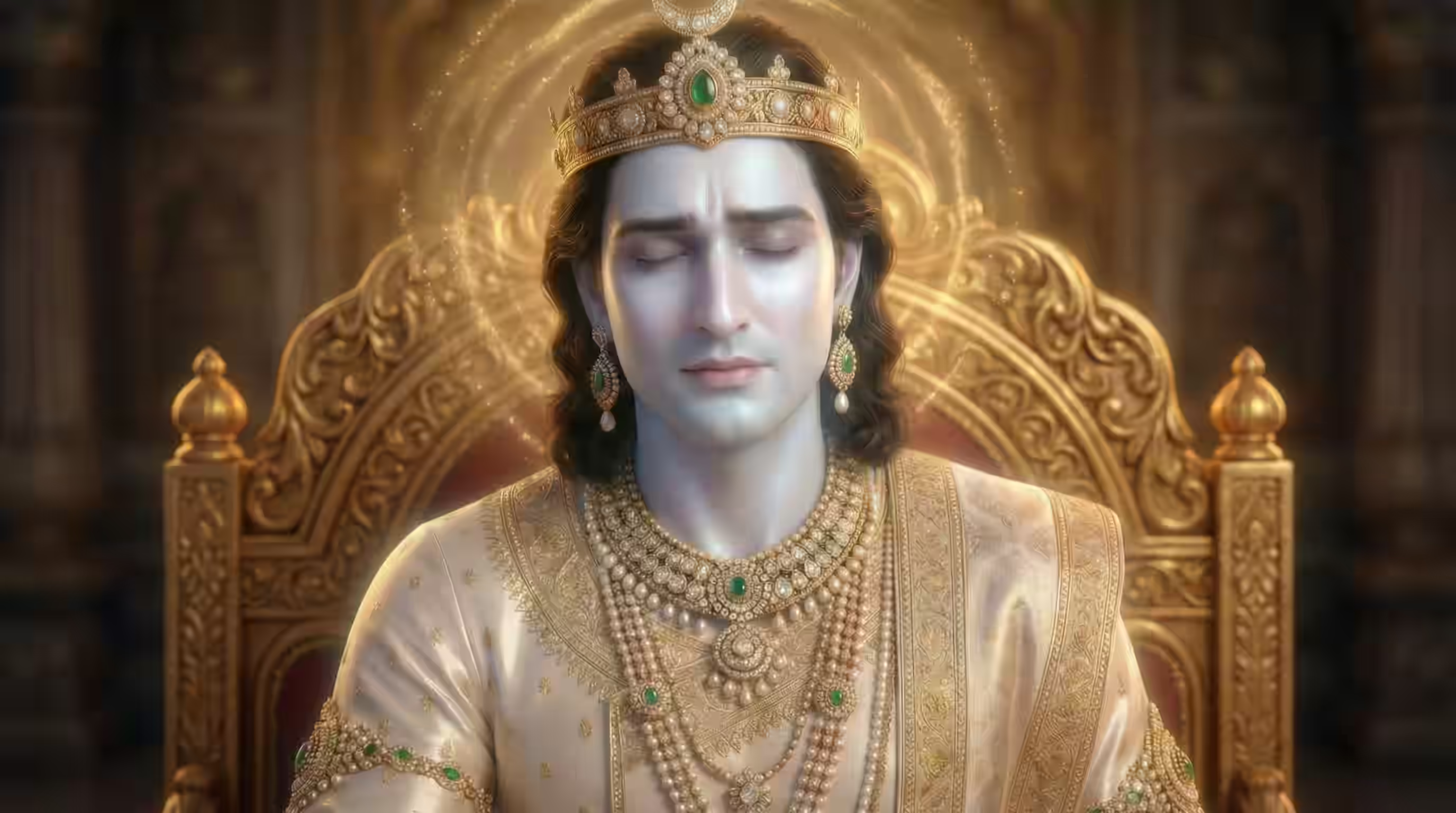
Before the minister could even finish his sentence, the old Brahmin mysteriously vanished. Using his Avadhi Gyan (clairvoyance), King Chandraprabh deeply realized that the man was actually a celestial Deva from heaven. The Deva had come to demonstrate the fleeting, transient nature of life, successfully igniting a profound sense of Vairagya (detachment) in the King's heart.
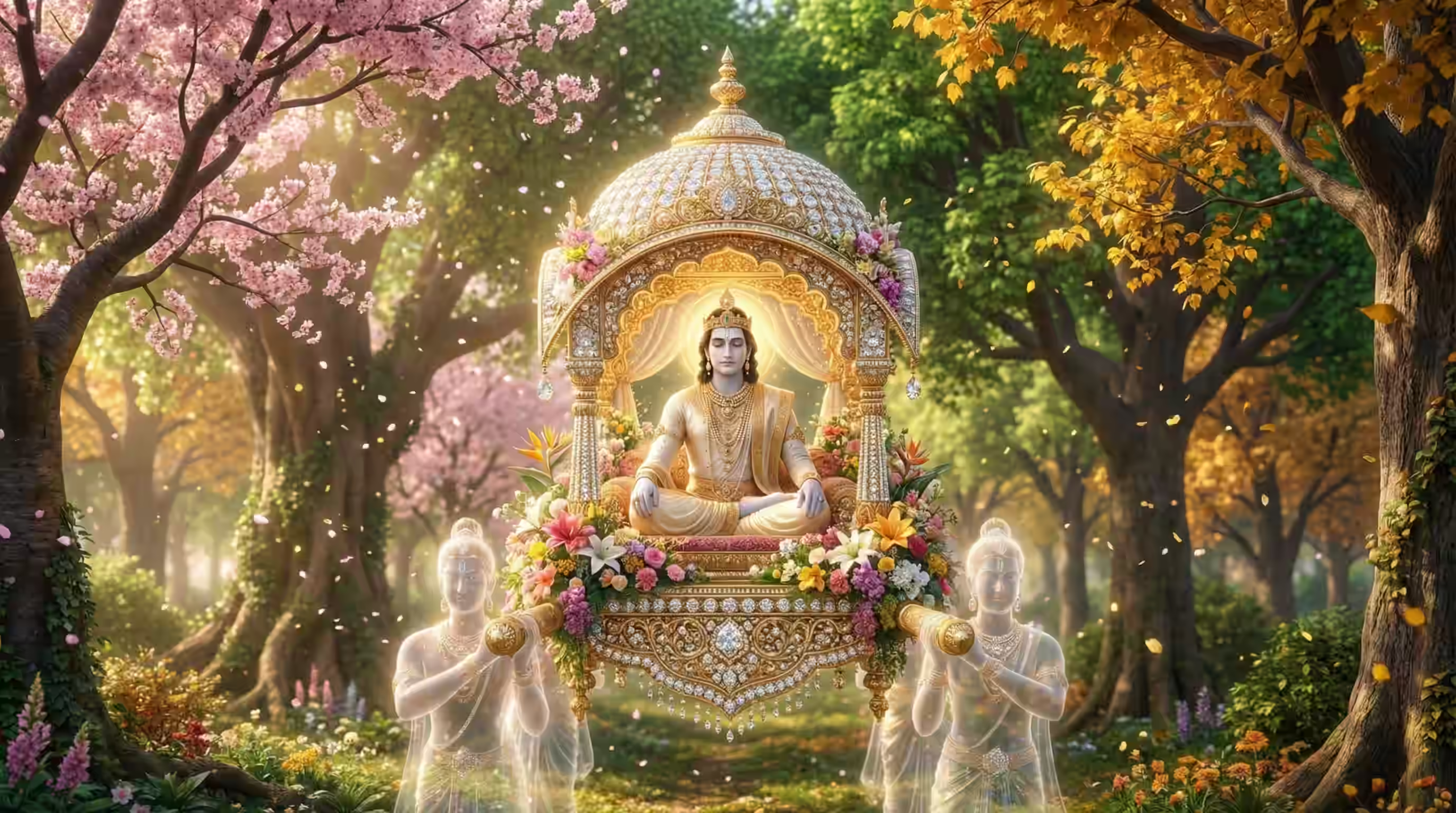
The King's birthday had now transformed into the day of his great renunciation. Knowing his inner detachment, the Laukantik Devas descended from the heavens to praise and support his decision to take Diksha. Renouncing all worldly attachments, the Lord ascended a divine palanquin and proceeded towards the sacred forest.
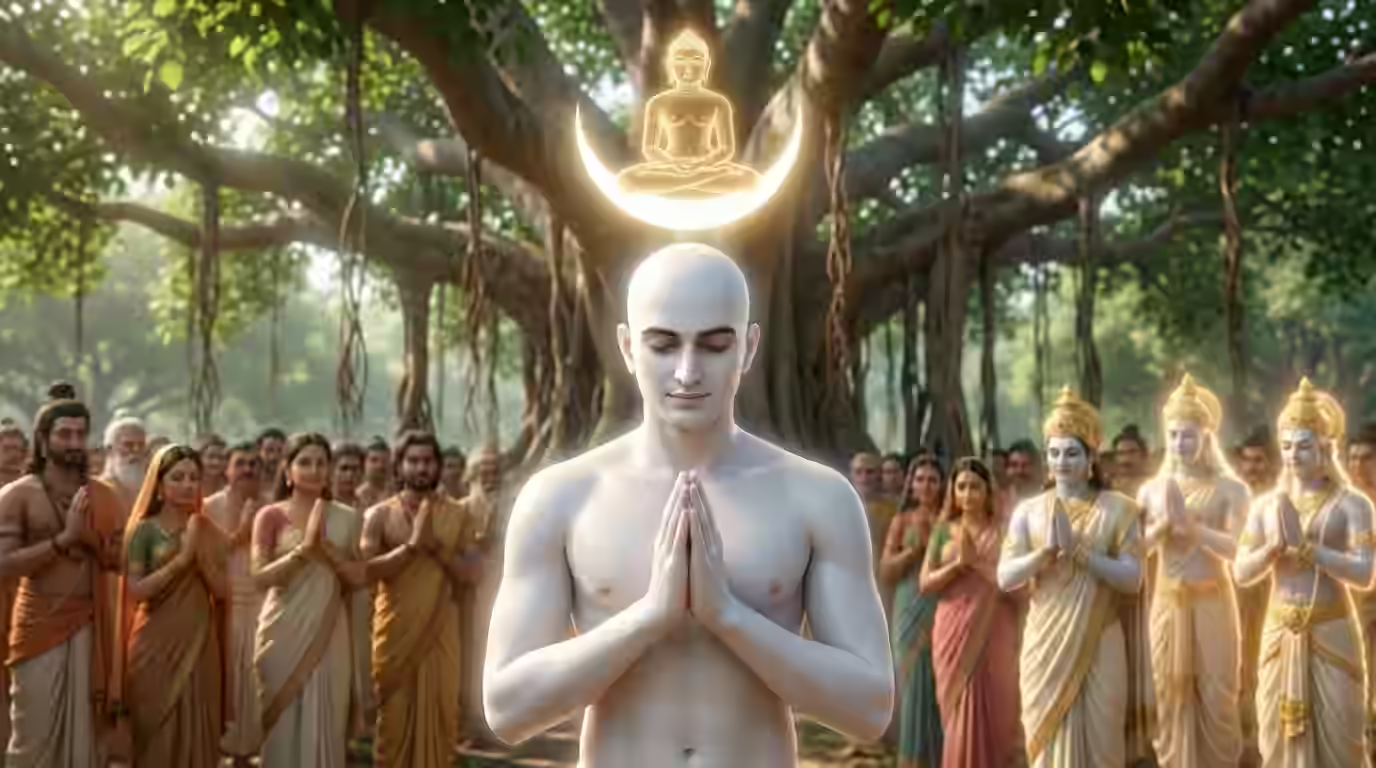
Arriving at the 'Sarvarth-Sakal-Ritu' forest, which blossomed beautifully, the Lord stripped away all royal ornaments and possessions. Facing the supreme truth, he uttered 'Namah Siddhebhya' and accepted the austere Digambar Diksha. Inspired by his supreme detachment, one thousand subordinate kings also accepted Diksha alongside him.
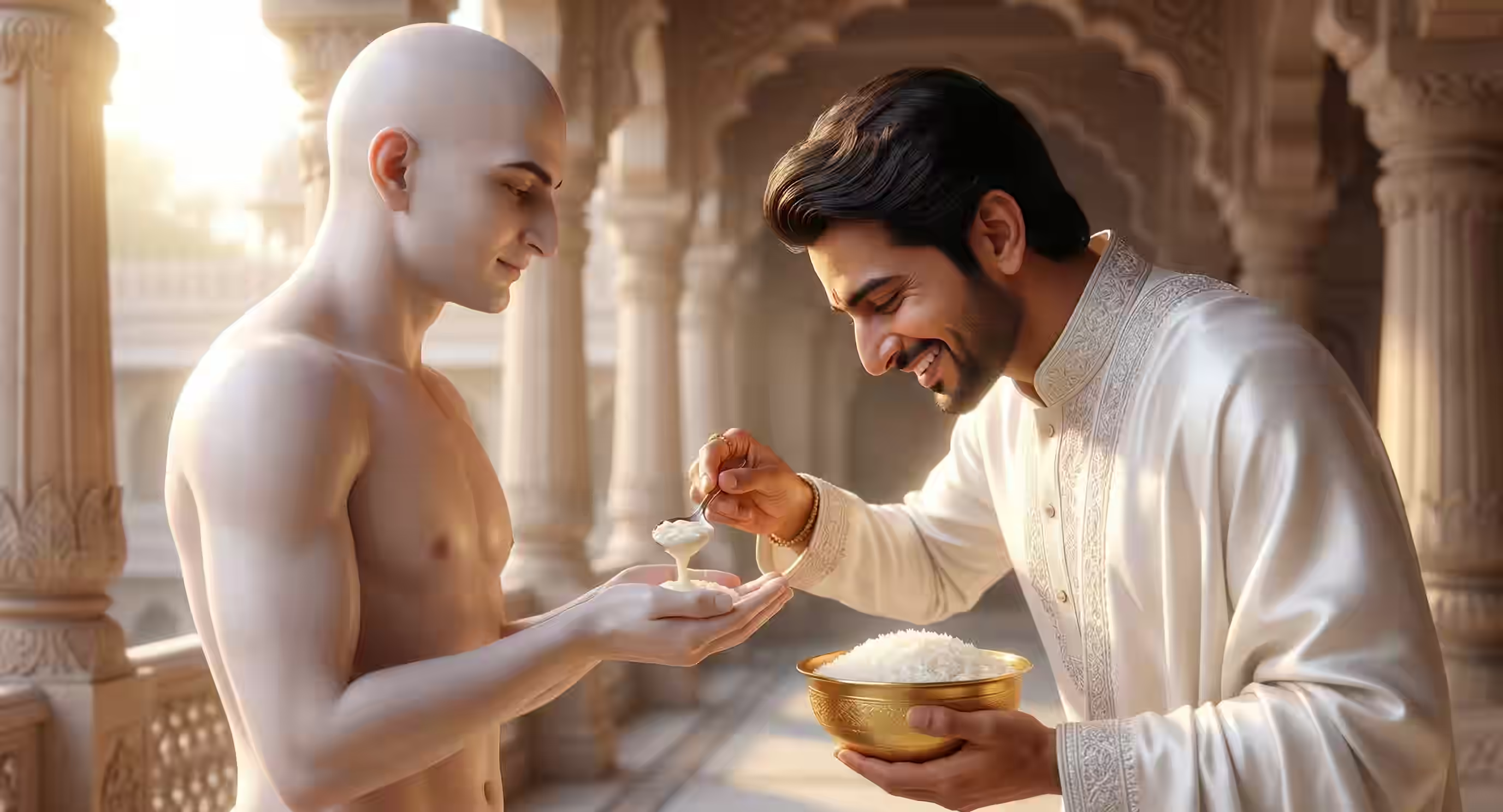
Immediately upon taking Diksha, the Lord attained the seventh Gunasthan and Manah Paryaya Gyan. After observing a strict fast for two days, Bhagwan Chandraprabh went out for his first Aahar (alms). He received this supreme offering at the house of King Somadatta in the city of Nalinpur, which was celebrated by the Devas with a shower of jewels and the Panchascharya (five divine wonders).
Step 04
Keval Gnan
TimePhalgun Krishna Saptami
PlaceSarvarth Vana
Key DetailPenance: 3 Months. Samavasaran: 8.5 Yojan. Chief Ganadhara: Shridatta.
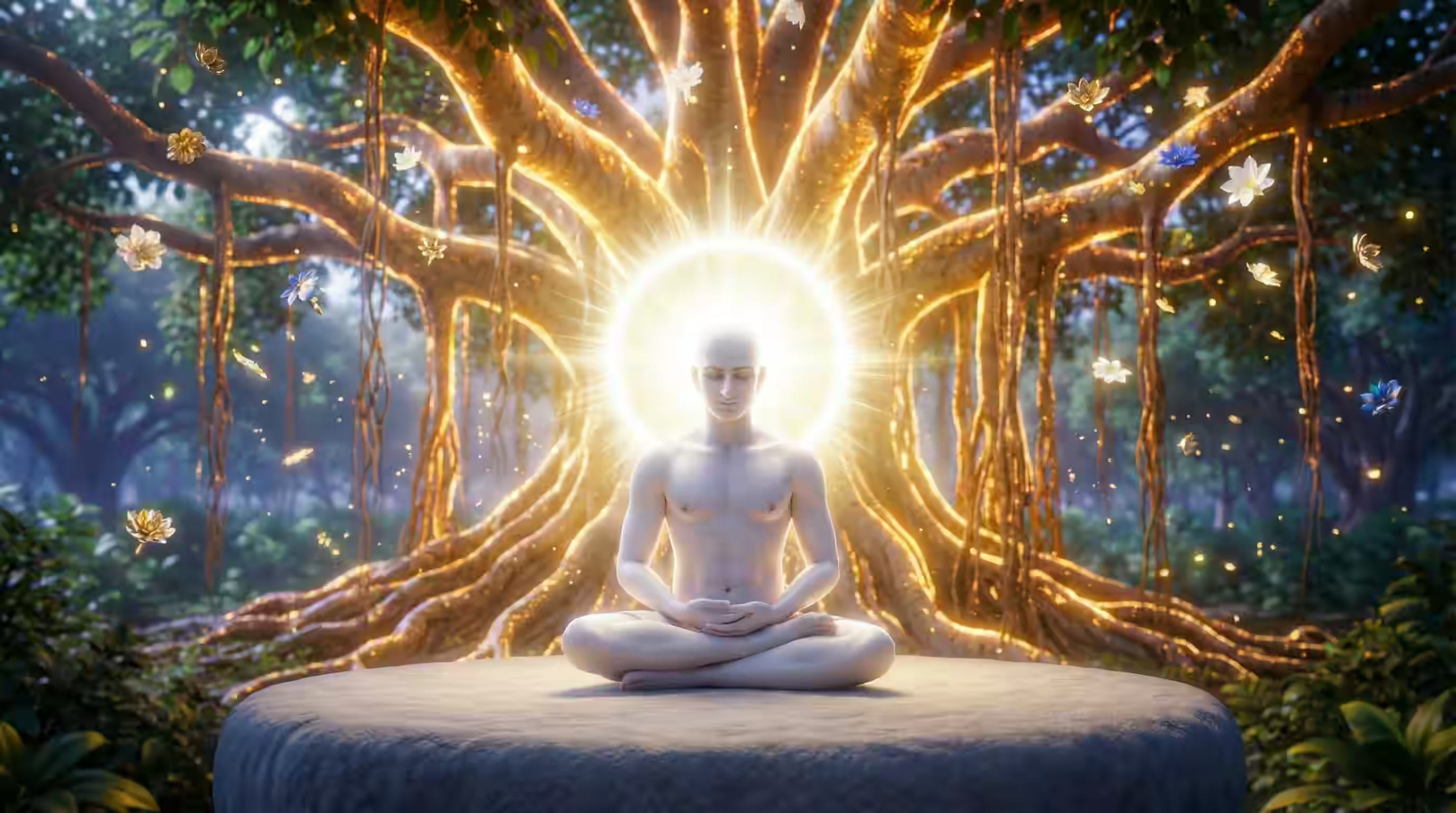
After 3 months of penance, on the day of Phalgun Krishna Saptami, he attained Kevalgyan under the Nag tree in the same Sarvarth forest.
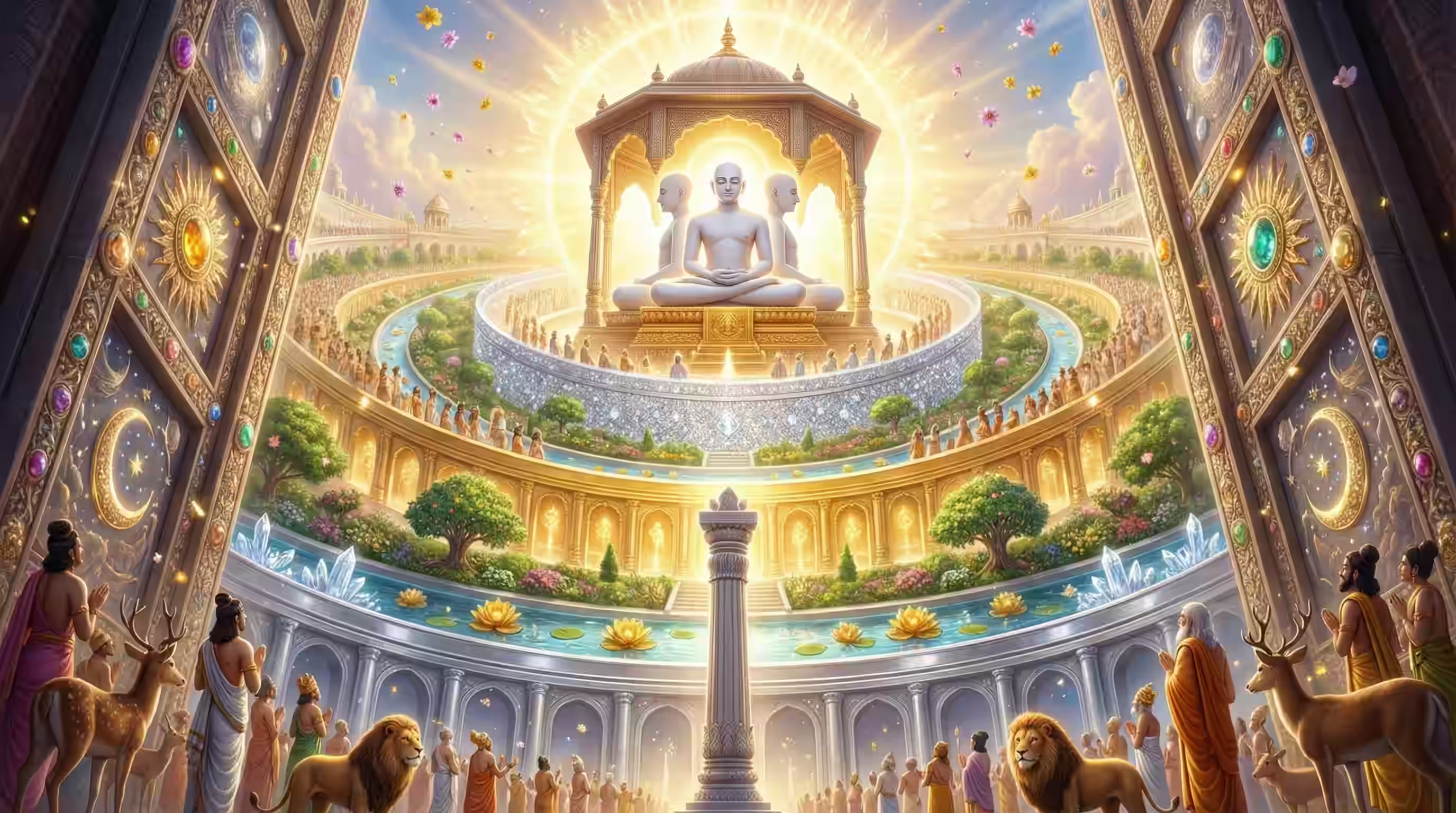
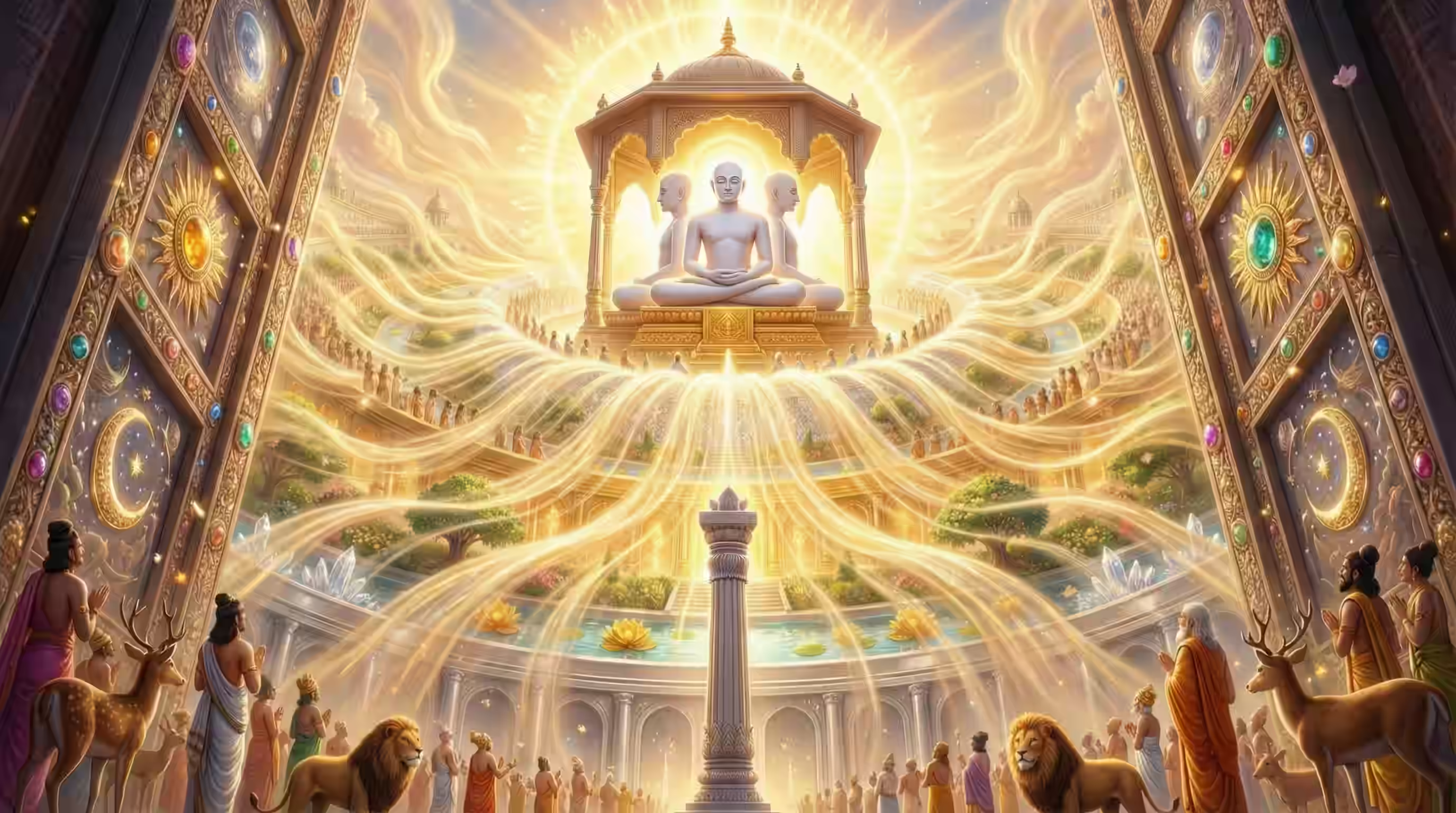
By the command of Indra, Kuber immediately created a wondrous Samavasaran of 8.5 yojanas.
In his Samavasaran, there were 93 Ganadharas including Shridatta, 2,50,000 Munis, 3,80,000 Aryikas, 3,00,000 Shravaks, and 5,00,000 Shravikas, and he turned the Dharma wheel for 2.5 lakh Purva years.
Step 05
Moksha
TimePhalgun Shukla Saptami
PlaceSammedachal (Sammed Shikhar Ji)
Key DetailYoga-Nirodha: 1 Month.
After turning the Dharma wheel for 2.5 lakh Purva years, the omniscient Kevali Chandraprabh arrived at Sammedachal.
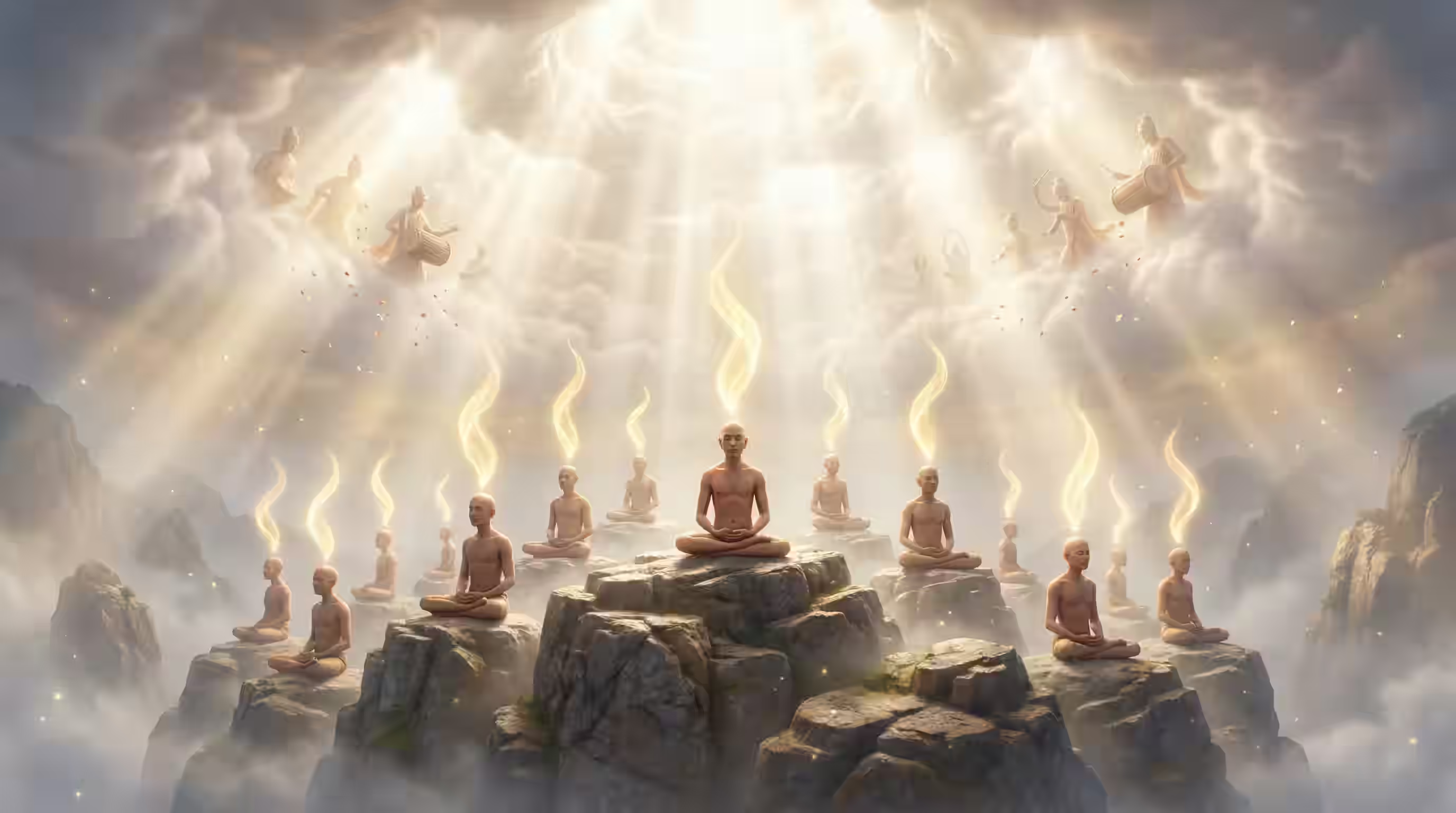
There, on the day of Phalgun Shukla Saptami, after 1 month of Yoga-Nirodha, he attained the Siddha state (Moksha) along with 1000 other souls.
The Journey
Witness the
Divine Path
Step 01
Garbha
TimeChaitra Krishna Panchami
PlaceChandrapuri
When the soul of the Tirthankar, residing in the Vaijayant Vimaan, had only six months of lifespan remaining, millions of jewels began raining daily in the city of Chandrapuri. Indra sent the Dikkumari Devis to serve Mata Lakshmana, and they flawlessly purified her body, making it a perfectly sacred space to host the supreme soul.
Step 01Part 2
Six months passed gracefully amidst these miraculous events of celestial descents and jewel showers. On the night of Chaitra Krishna Panchami, during the last watch of the night while sleeping peacefully, Queen Lakshmana saw sixteen highly auspicious dreams indicating the arrival of the Tirthankar.
Step 01Part 3
Ah! The supreme soul of the Tirthankar had entered her womb. Beholding these sixteen grand divine dreams—ranging from the Airavat elephant to the smokeless fire—the Queen was thrilled and filled with immense joy.
Step 01Part 4
In the morning, the Queen narrated these auspicious dreams to Maharaja Mahasena. Explaining their profound meaning, the Maharaja joyfully declared, 'O Devi! The eighth Tirthankar has descended into your womb. It is our supreme fortune that a world-revered soul will be born to us.'
Step 01Part 5
On this grand occasion, Indra descended to honor and praise the parents of the Tirthankar. Knowing that the Lord would be born in their own city, the citizens of Chandrapuri began celebrating with great joy, singing the glory of the Tirthankar everywhere.
Step 02
Janma
TimePaush Krishna Ekadashi
PlaceChandrapuri / Mount Meru
Nine months later, at midnight on Paush Krishna Ekadashi, the eighth Tirthankar of this era was born. The dark night was suddenly illuminated by a divine light, and a massive wave of joy swept through the city, as this monumental birth occurred 900 crore Sagaropam after the nirvana of Bhagwan Suparshvanath.
Step 02Part 2
Upon sensing the birth, Indra's celestial throne trembled. He quickly arrived in Chandrapuri with his divine family. Indrani respectfully brought the newborn Tirthankar to him, and taking the infant in his lap, Indra mounted the Airavat elephant to depart towards Mount Meru for the Janmabhishek.
Step 02Part 3
At Mount Meru, Indra declared the Lord's symbol as the half-moon (Ardh-Chandra). Countless Devas formed a continuous line all the way to the Kshir Sagar (Ocean of Milk) to pass golden urns hand-to-hand. With immense enthusiasm, Saudharma and Ishan Indra bathed the child Tirthankar using these 1008 celestial urns.
Step 02Part 4
Following the sacred Abhishek, Indrani adorned the Lord with divine ornaments. Overwhelmed with ecstatic joy, Indra performed the magnificent Tandava dance on Mount Meru, sang hymns of praise, and formally named the radiant infant 'Chandraprabhu'.
Step 02Part 5
The child Tirthankar Chandraprabhu grew day by day, his radiance increasing like the moon of the bright fortnight. Destined for a total lifespan of 10 Lakh Purva, a towering height of 150 Dhanush, and possessing a pure white complexion, his childhood was joyfully spent playing with celestial beings who took various delightful forms.
Step 02Part 6
At the tender age of 8, he naturally accepted the Deshvrat (partial vows) and ascended to the fifth Gunasthan. His Kumar Kaal (youthful period) lasted for 2.5 lakh Purva. After his grand coronation, he ruled with supreme happiness and justice for 5 lakh Purva, bringing the total elapsed time of his life to 7.5 lakh Purva.
Step 03
Diksha
TimePaush Krishna Ekadashi
PlaceSarvarth-Sakal-Ritu Vana
While Maharaja Chandraprabh was happily ruling, a grand celebration was organized for his birthday. Amidst the joyous festivities, an extremely old and terrified man, leaning on a wooden staff, suddenly entered the royal court. He approached the King, begging to be saved from an impending death predicted by a fortune teller.
Step 03Part 2
The old man pleaded, 'You are the conqueror of death, please protect me!'. Hearing this, a wise minister calmly replied, 'Have patience, brother. Death is inevitable for all living beings when their lifespan ends. Neither Indras nor kings can save you. Only by following the path of the Jinas can one conquer death and attain the immortal state'.
Step 03Part 3
Before the minister could even finish his sentence, the old Brahmin mysteriously vanished. Using his Avadhi Gyan (clairvoyance), King Chandraprabh deeply realized that the man was actually a celestial Deva from heaven. The Deva had come to demonstrate the fleeting, transient nature of life, successfully igniting a profound sense of Vairagya (detachment) in the King's heart.
Step 03Part 4
The King's birthday had now transformed into the day of his great renunciation. Knowing his inner detachment, the Laukantik Devas descended from the heavens to praise and support his decision to take Diksha. Renouncing all worldly attachments, the Lord ascended a divine palanquin and proceeded towards the sacred forest.
Step 03Part 5
Arriving at the 'Sarvarth-Sakal-Ritu' forest, which blossomed beautifully, the Lord stripped away all royal ornaments and possessions. Facing the supreme truth, he uttered 'Namah Siddhebhya' and accepted the austere Digambar Diksha. Inspired by his supreme detachment, one thousand subordinate kings also accepted Diksha alongside him.
Step 03Part 6
Immediately upon taking Diksha, the Lord attained the seventh Gunasthan and Manah Paryaya Gyan. After observing a strict fast for two days, Bhagwan Chandraprabh went out for his first Aahar (alms). He received this supreme offering at the house of King Somadatta in the city of Nalinpur, which was celebrated by the Devas with a shower of jewels and the Panchascharya (five divine wonders).
Step 04
Keval Gnan
TimePhalgun Krishna Saptami
PlaceSarvarth Vana
After 3 months of penance, on the day of Phalgun Krishna Saptami, he attained Kevalgyan under the Nag tree in the same Sarvarth forest.
Step 04Part 2
By the command of Indra, Kuber immediately created a wondrous Samavasaran of 8.5 yojanas.
Step 04Part 3
In his Samavasaran, there were 93 Ganadharas including Shridatta, 2,50,000 Munis, 3,80,000 Aryikas, 3,00,000 Shravaks, and 5,00,000 Shravikas, and he turned the Dharma wheel for 2.5 lakh Purva years.
Step 05
Moksha
TimePhalgun Shukla Saptami
PlaceSammedachal (Sammed Shikhar Ji)
After turning the Dharma wheel for 2.5 lakh Purva years, the omniscient Kevali Chandraprabh arrived at Sammedachal.
Step 05Part 2
There, on the day of Phalgun Shukla Saptami, after 1 month of Yoga-Nirodha, he attained the Siddha state (Moksha) along with 1000 other souls.
Digital Aagam Presentation
Witness The Legend
Experience the divine journey of Bhagwan Chandraprabha through a cinematic short film.
Life of Chandraprabha
Life of Chandraprabha
“A journey of non-violence and truth”
Watch Film